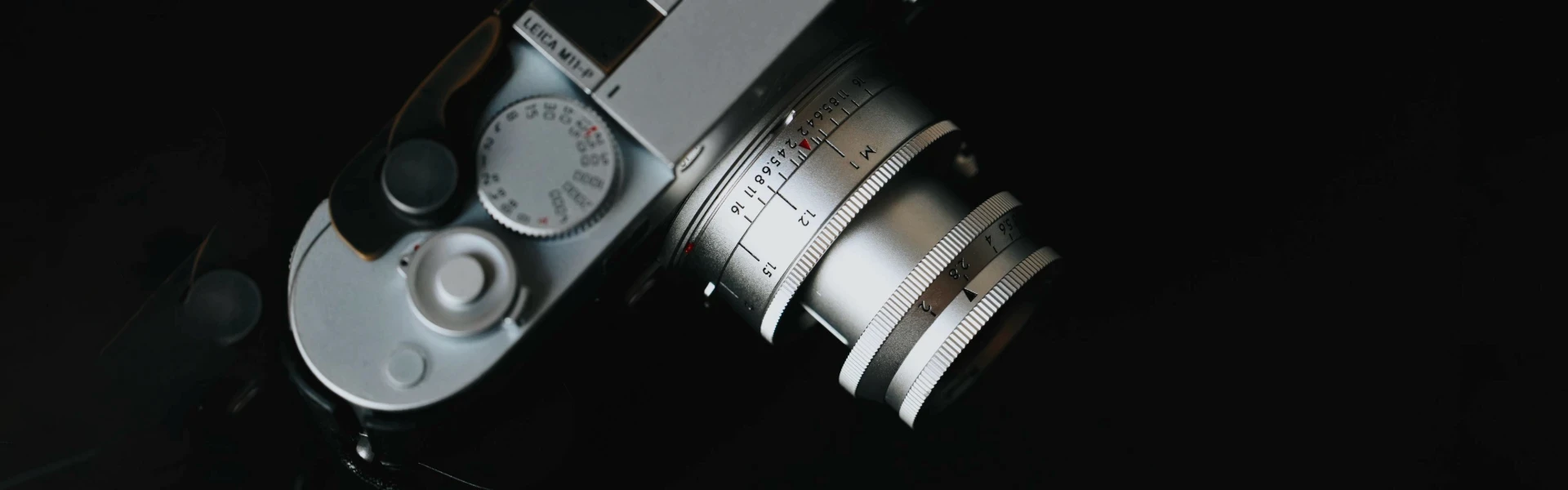
EUREKA SERIES
A Replica Collection for Full-frame Mirrorless Cameras
The Eureka series, inspired by the ancient Greek scholar Archimedes, celebrates a sudden discovery or enlightenment. Unlike the high-resolution Simera series, Eureka revives classic optical designs, blending them with modern technology for a perfect balance of style and performance. Eureka is a delightful choice for creators and collectors of artistic imagery and vintage-inspired lenses.

FAQ
Is there a dedicated filter available for the Eureka28?
Designed with ultimate portability in mind, this lens does not come with a dedicated filter to avoid adding bulk. If needed, the lens features a standard threaded interface (E27), allowing you to pair it with filters of the corresponding specification.
Is there a dedicated lens hood for the Eureka 28?
The aperture ring structure already provides basic lens shading. If you need enhanced shading, you can install a universal lens hood.
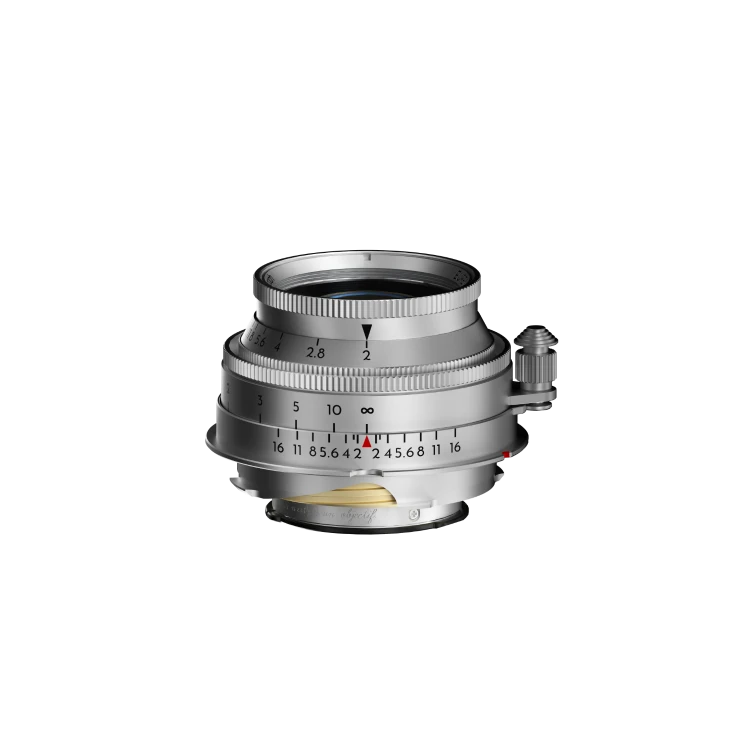
Does the Eureka 50mm F/2 lens fit medium format cameras, and is there any vignetting?
Can be adapted for medium format cameras; there will be slight vignetting at apertures of F/2-F/4, which disappears when the aperture is stopped down to F/4-F/5.6.
When the Eureka 50mm lens is retracted, will the rearmost structure of the lens touch the CMOS sensor or the shutter curtain?
No. When the lens is retracted to its maximum state, the maximum length from the flange face to the rearmost end is approximately 0.346 mm. If the distance from the camera Mount flange face to the CMOS/shutter curtain is greater than 0.346 mm, there will be no interference.
What are the differences between the Eureka 50mm copper and aluminum versions?
(1) Weight: The weight of the copper version single lens is 218g, and the weight of the aluminum version single lens is 120g. (2) Appearance color: There is a slight difference between the silver of the aluminum version and the silver of the copper version.
What is the difference in length between the Eureka 50mm lens when it is fully extended and fully collapsed?
The retracted length is 2.7 cm, and the extended length is 4.12 cm. The difference between the fully extended and fully retracted states is 1.42 cm.