Rediscovering Heritage: M Cardo and the Simera-C Ecosystem
Product
Knowledge
Oct 17, 2025
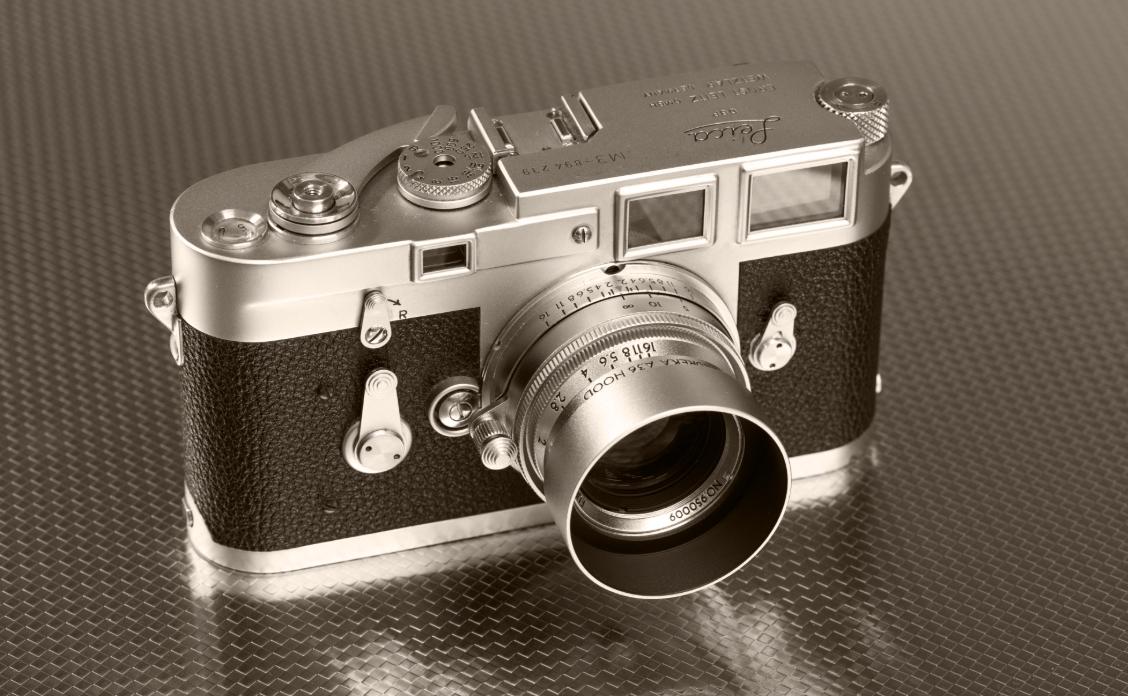
Introduced in 1954, the Leica M Mount was revolutionary. Its 27.8 mm short flange distance allowed rangefinder cameras to achieve compactness and optical precision before the advent of mirrorless systems. Unlike the bulky mirror mechanism of SLRs, the M Mount lenses have a very short distance to the film plane, making lens design simpler and sharper—setting high standards for optical performance still widely recognized today.
Over decades, the M Mount has developed a rich ecosystem. Leica led the trend, but a new generation of manufacturers contributed their own optical styles. Designers are drawn not only to the armored mechanical elegance but also to the expressive, emotionally resonant images it produces.
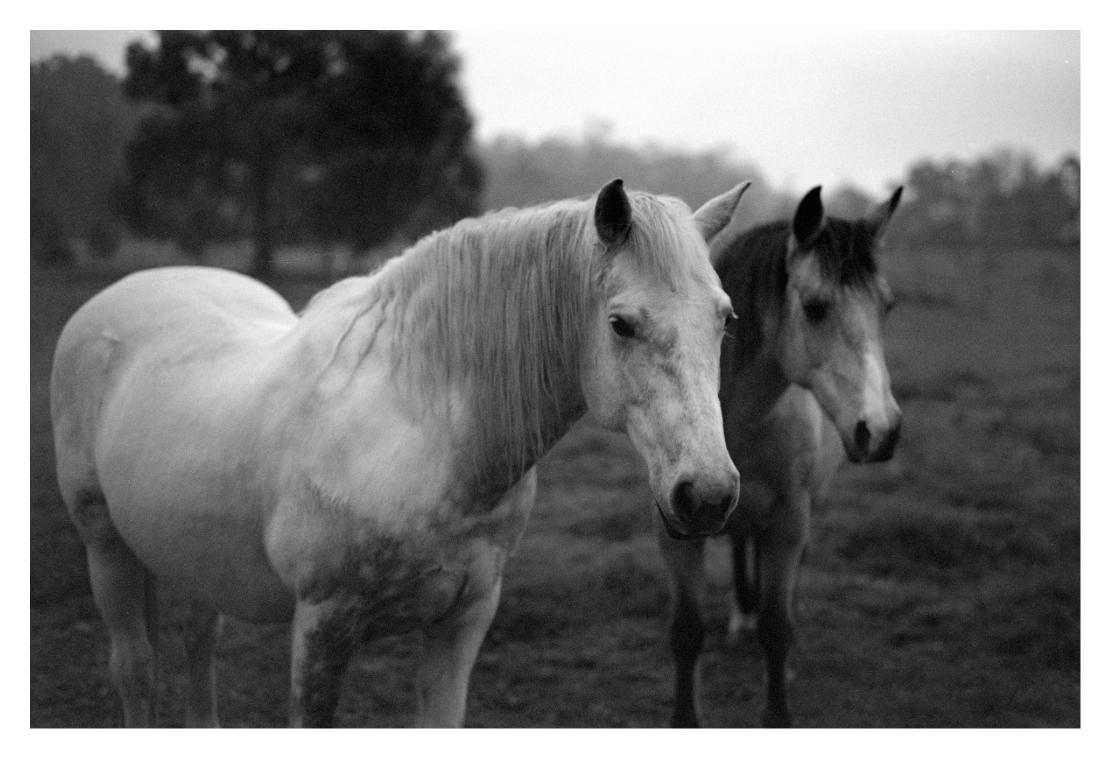
Historically, the M Mount's shorter flange distance allowed lens designers to position optical elements closer to the film or sensor plane, better controlling aberrations and achieving more efficient optical corrections. This foundational advantage supported exceptional image clarity with simpler lens formulas, giving M Mount lenses a distinctive visual signature. Many classic M lenses are celebrated for their unique character and timeless charm, earning lasting acclaim among street photographers and documentarians in the history of photography.
In the digital era, the M Mount has regained significance. Mirrorless systems have standardized shorter flange distances, yet the M Mount remains uniquely adaptable—its length is just enough to seamlessly integrate with platforms like Sony E, Leica L, Canon RF, and Nikon Z. This adaptability makes M glass not just compatible but highly sought after in modern hybrid workflows.
This diversity opens a new chapter: Cine M lenses. As digital cinema shifts to compact systems like Sony, Lumix, and RED, traditional PL mount lenses—with their long flange distances and bulk—appear increasingly out of place. In contrast, M Mount lenses have a significant advantage in weight, typically being three to four times lighter than PL lenses of the same aperture, with adapters weighing up to twice as much. This weight reduction brings tangible improvements to gimbal setups, drone work, and handheld shooting.
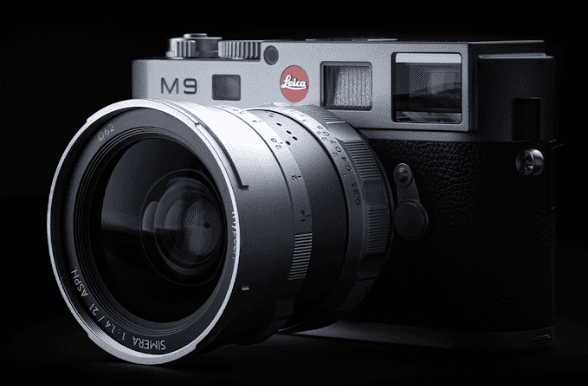
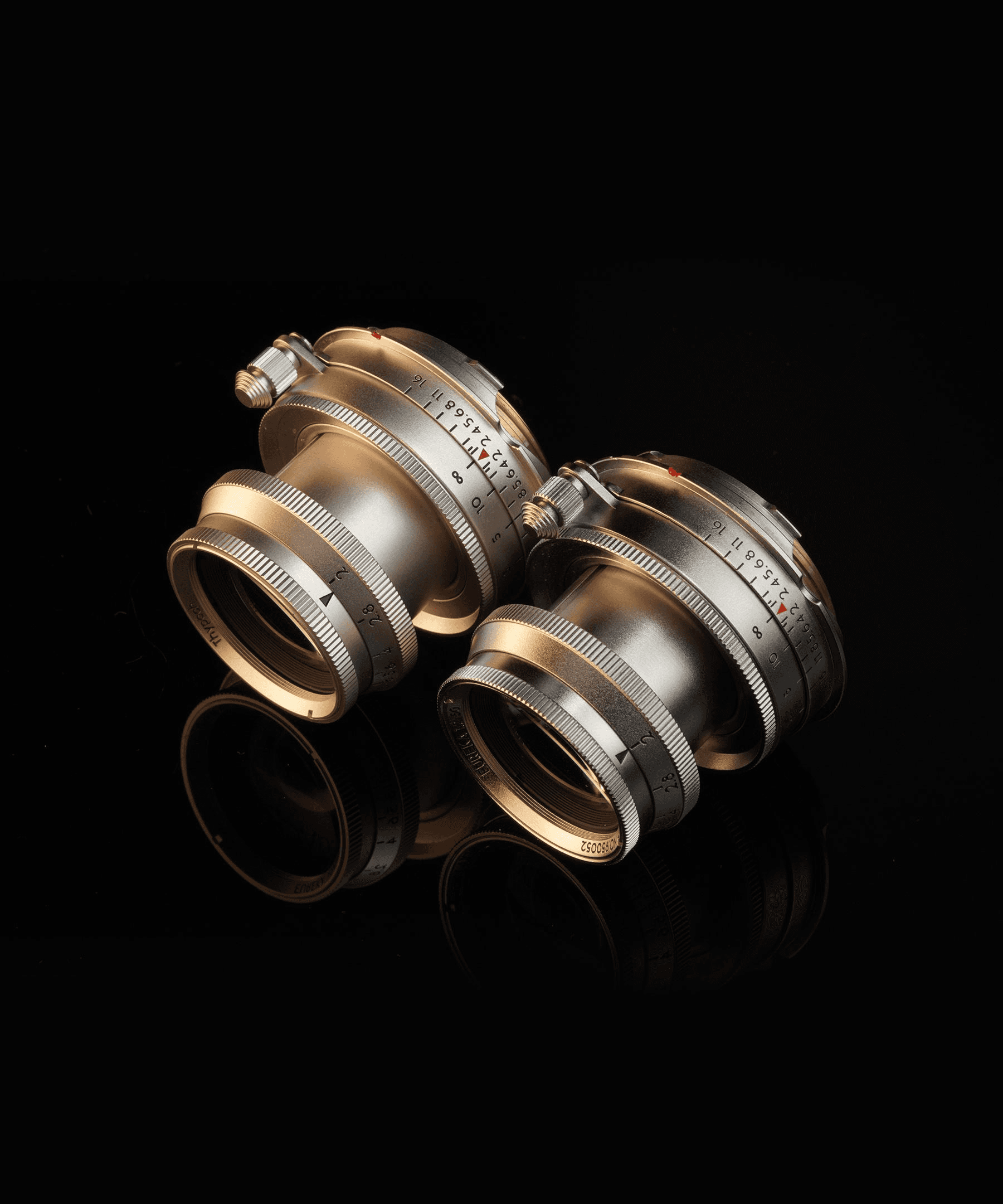
The Leitz M 0.8 series proved the M format's viability in cinema. Today, Simera-C continues this tradition, offering lenses suitable for both stills and motion capture—combining exquisite rendering with cinematic-grade mechanics and compact design.

Why is the M Mount more important than ever in today's cinema industry? As cinema cameras continue to shrink, models like the FX3, RED Komodo, and DJI Ronin 4D lead the trend, with filmmakers prioritizing mobility without sacrificing image quality. The M Mount, with its refined lightweight form and quick, character-rich lenses, meets this need. It's an elegant solution for the new era of agile high-performance photography.
However, the PL mount is still regarded as the standard mount for cinema, not only due to its long history but importantly for its 'positive lock' feature, which is the origin of its name. The positive lock is critical in cinema lenses when powerful motors work in conjunction with the aperture and focus rings to avoid micro image vibrations and safety hazards.
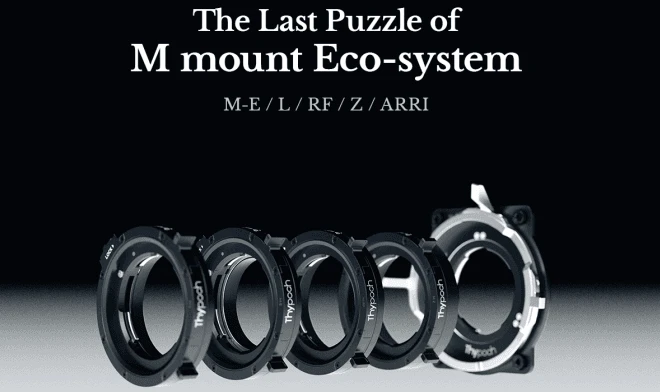
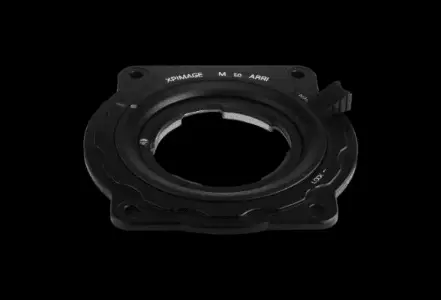
At Thypoch, we build upon this foundation. Our Lock M Mount Adapter completes the final piece of the M Mount lens ecosystem, bringing greater stability and security to major mirrorless systems—E, RF, Z, L, and Arri M Mount—ensuring both classic and novel M Mount lenses can be used confidently in any shoot. Whether handheld, mounted, or stabilized, this system empowers creators across fields.
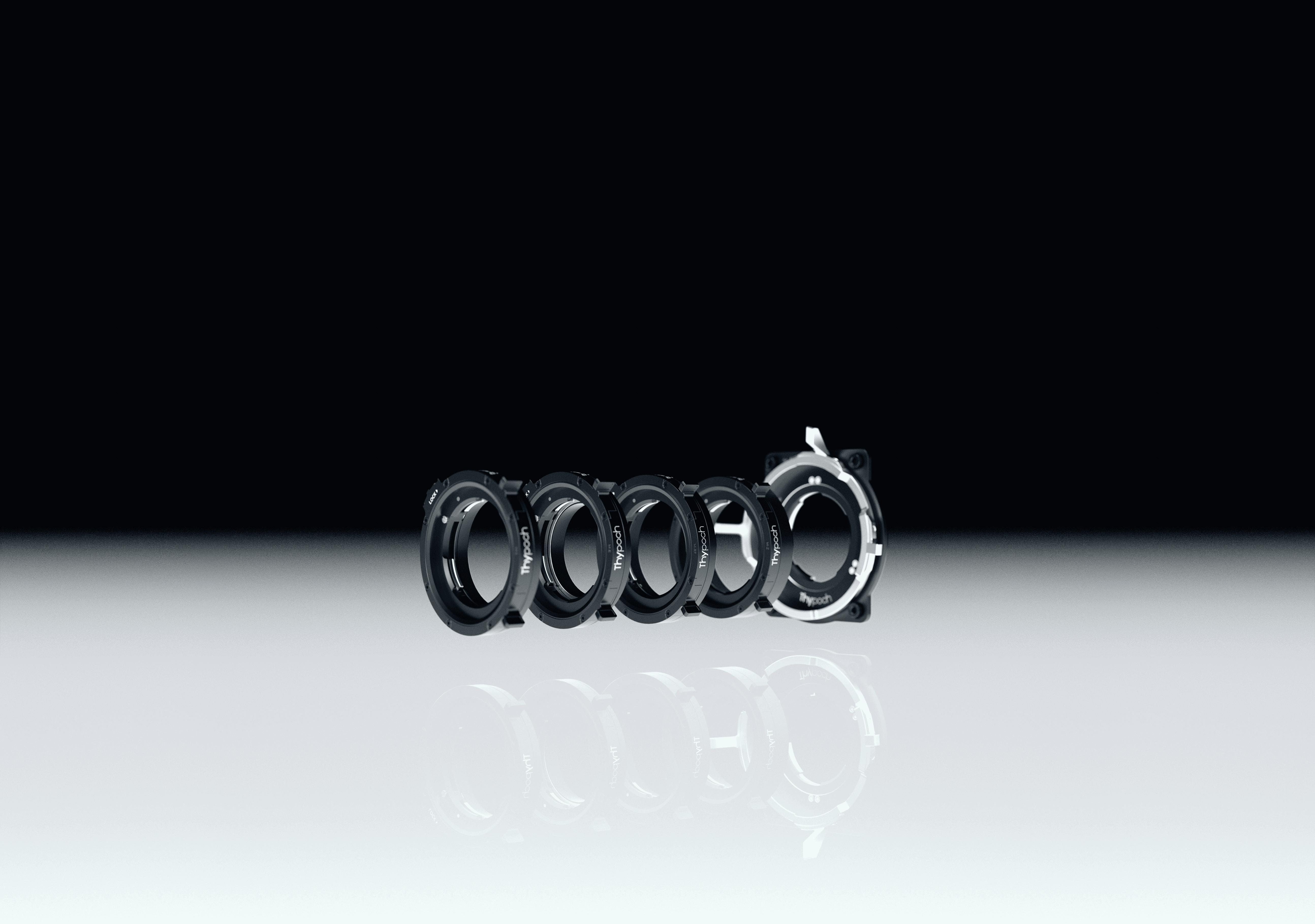
This is not nostalgia—it's ushering in the future of a format that has always represented optical precision and mechanical integrity. With Simera-C lenses and Thypoch adapters ecosystems, the M Mount becomes a fully modern toolset: lightweight, modular, crafted for expressive storytelling.
We call this vision 'M to all'—seamlessly integrating M Mount lenses into contemporary photography and cinema. Thypoch proudly contributes to this new era, merging the tradition and future possibilities of M-grade pioneers.