In Conversation with Thypoch | Jason Hunter on Photography and the Eureka 28mm
Interview
Photography
For photographer Jason Hunter, photography was never a carefully planned career path—it began simply as a passion. Over time, that passion evolved through social media and brand collaborations, while his creative voice remained rooted in instinct rather than trends. In this conversation with Thypoch, Jason reflects on his journey, his approach to making meaningful images, and the everyday moments that continue to inspire him. He also shares his first impressions of the Thypoch Eureka 28mm, the images that surprised him most, and what his ideal lens would look like. Through this interview, we invite you to step into Jason's creative world and discover the philosophy behind his photography.
1. For our audience getting to know you, could you share a bit about your path? What does a typical day look like for a photographer?
My path into photography wasn’t traditional. It started as something I enjoyed and gradually grew into opportunities through social media and brand collaborations, all while building a separate full-time career. Because of that, photography has always been something I fit into my daily life rather than a structured routine. Early on, I shot constantly, but now I’m more intentional and focus on moments that genuinely stand out to me; usually simple, everyday scenes shaped by light and composition.
A typical day doesn’t involve planned shoots; it’s more about having a camera with me, staying observant, and later refining what I captured, choosing to share only the images that truly feel meaningful.
2. Balancing the poles of photography is fascinating. In your own work, how do you decide which approach to lean into for a given project or even a single shot?
I don’t usually approach it as a conscious decision between different styles. It’s more of a feeling in the moment. Most of the time, I’m drawn to whatever naturally stands out, whether that’s the light, the composition, or just something subtle in the scene.
Early on, I probably thought more about what would perform well, but now I lean into what feels right to me creatively. For a single shot, it’s instinctive. I’ll either simplify and strip things back or lean into something more layered depending on what the scene gives me. Across projects, it’s similar. I try not to force a specific approach and instead let consistency come from my eye and taste rather than a preset style.
3. With a remarkable form of creative independence. Was there ever a time you had to defend this principle, and how has maintaining it ultimately shaped your artistic voice?
There have definitely been moments where I felt that tension, especially when my work was getting more attention and there was an unspoken pressure to lean into what was performing well or what people expected from me. I never really pushed back in a loud way, but I made a conscious decision not to chase that. Instead, I stuck with what felt honest to me, even if it meant less engagement or slower growth.
Over time, that choice shaped my work in a bigger way. It made my photography feel more personal and consistent, not because I forced a style, but because I trusted my instincts. I think maintaining that independence is what allowed my voice to develop naturally instead of being influenced too heavily by trends or expectations.
4. First impressions matter! What was your very first thought when you unboxed and held the Eureka 28mm? Was there something about its design or feel that stood out immediately?
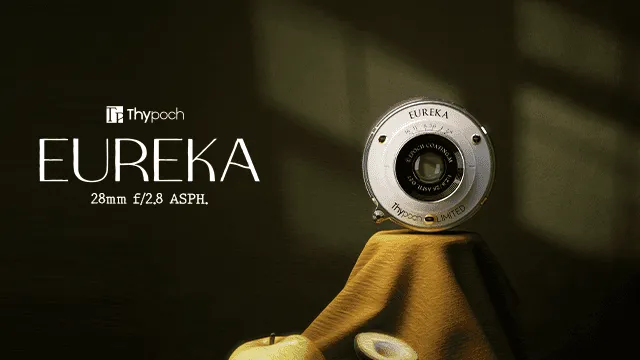
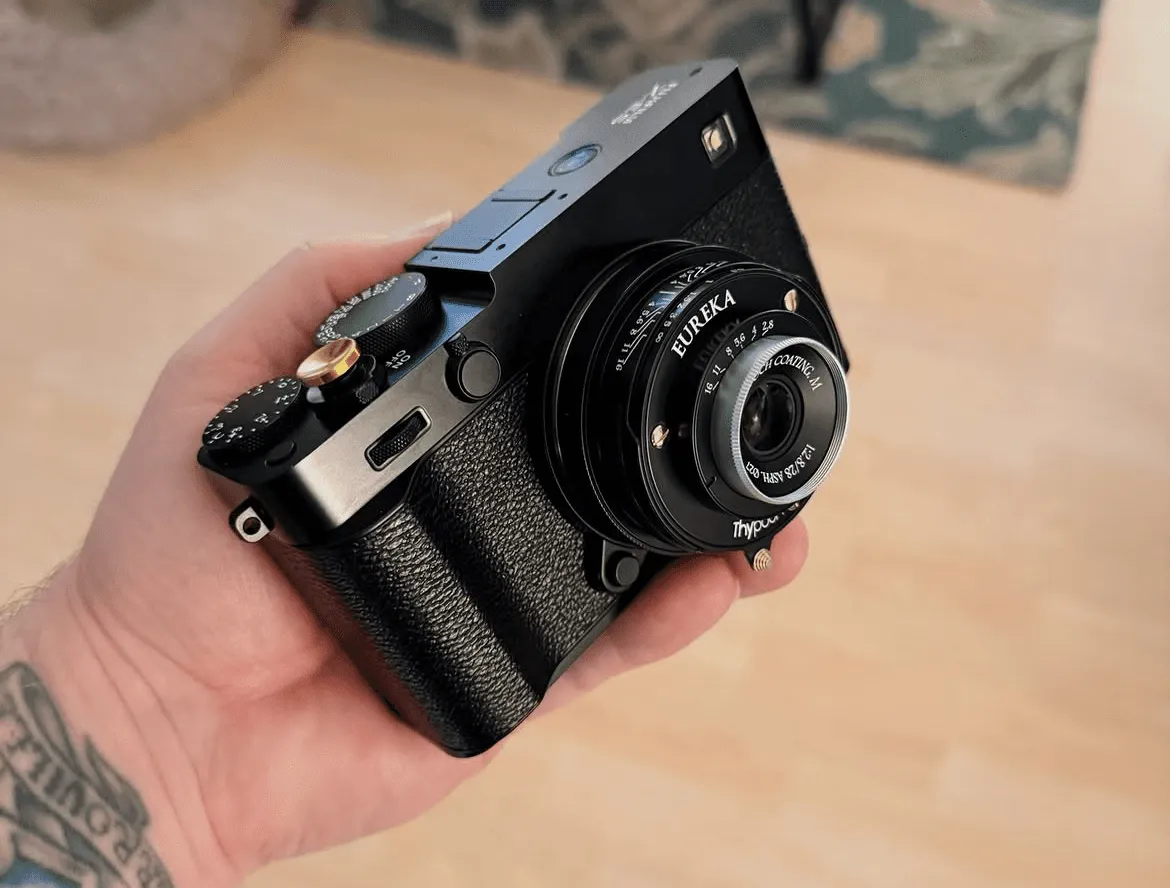
My first impression when unboxing the Thypoch Eureka 28mm was how well it balanced size and feel. It’s compact without feeling too light or cheap, which stood out right away. The aperture ring was probably the biggest thing for me. It’s incredibly smooth and just feels really refined, which makes the shooting experience more enjoyable. Once I mounted it on my Fujifilm X-E5, it felt like a natural pairing. The size and handling complement the camera really well, and it just made me want to get out and shoot with it immediately.
5. Among the photos you took, was there one that surprised you—an image where the lens delivered something you didn’t expect, perhaps in terms of rendering color, handling harsh light, or the quality of the out-of-focus areas?
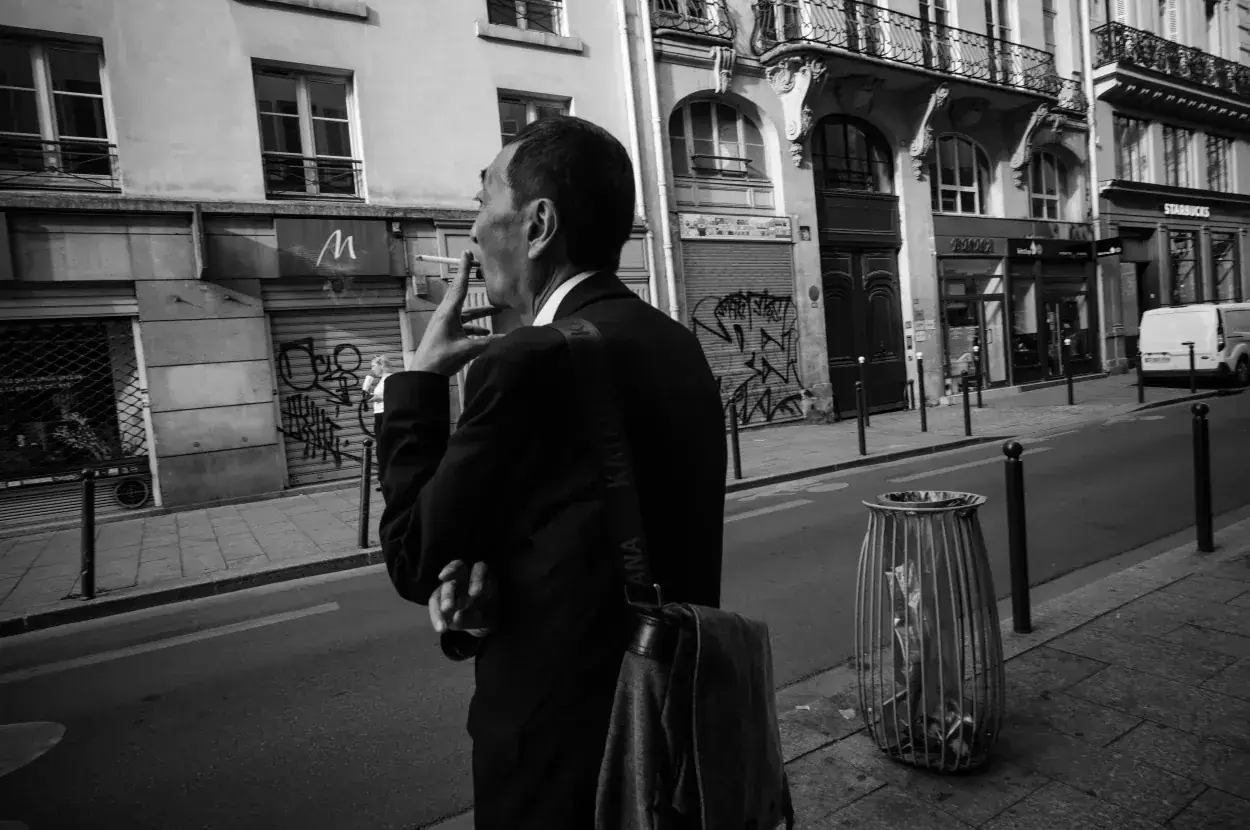
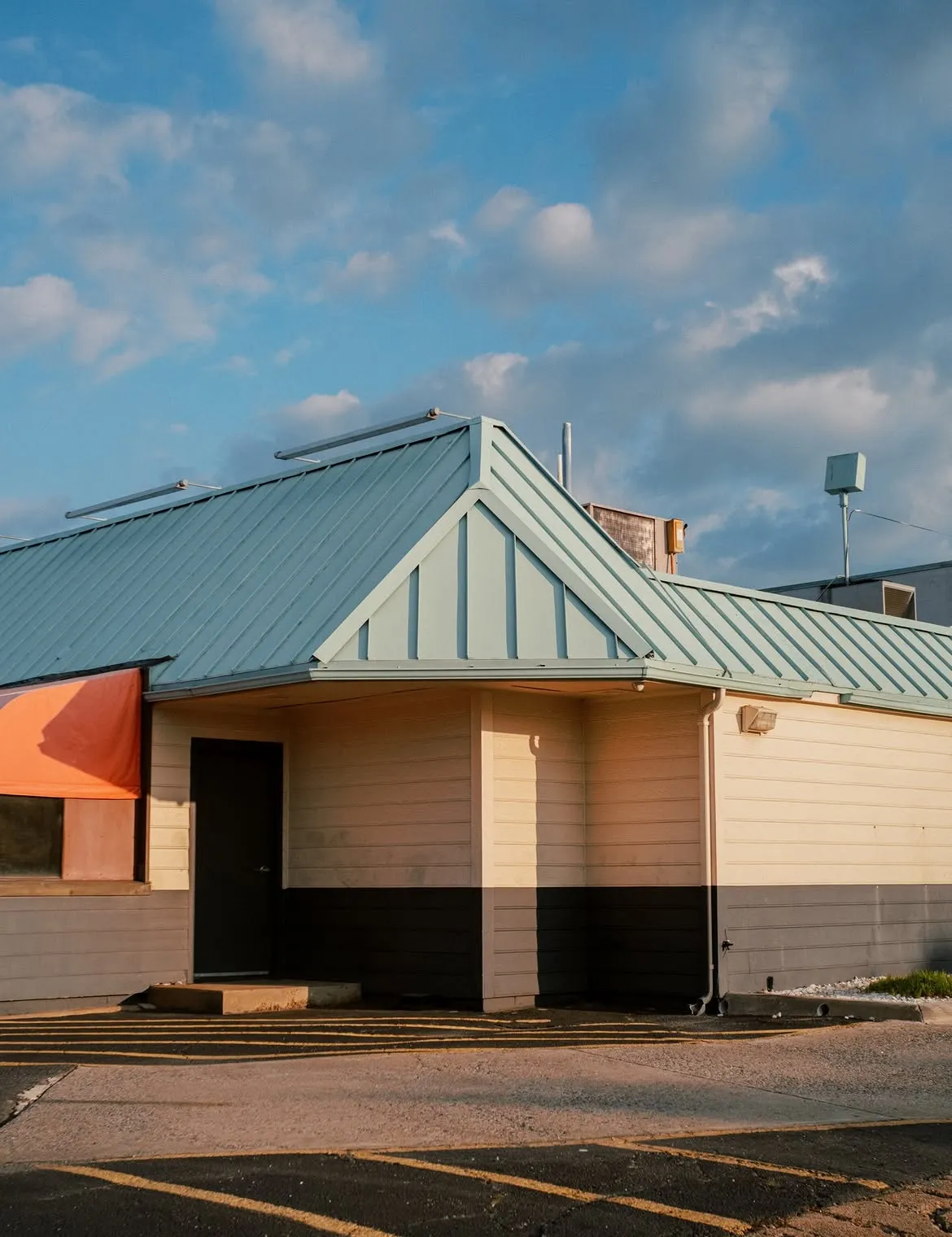
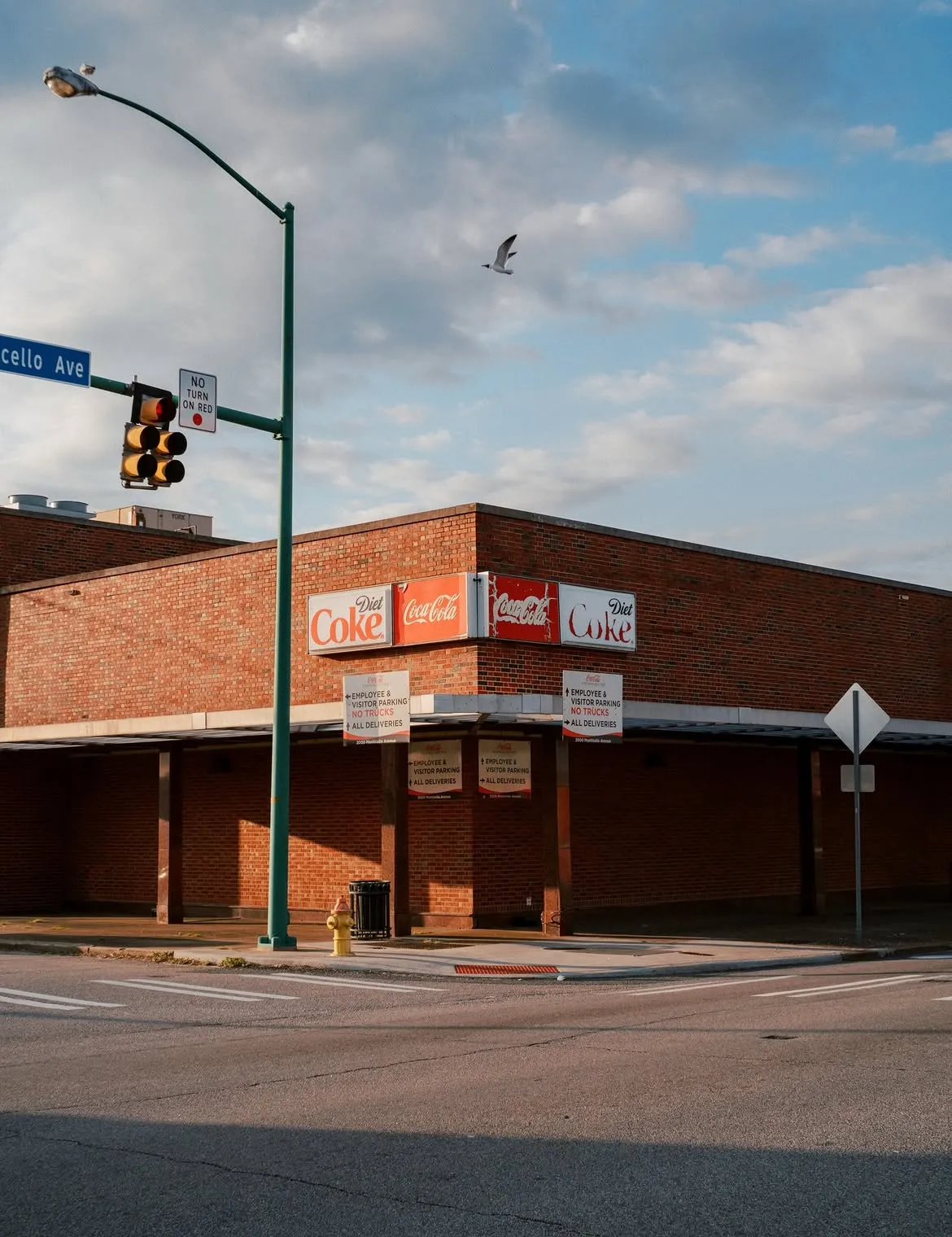
Yes, this was probably the image that surprised me the most. What stood out right away was the way the lens handled contrast and color, especially with the mix of direct light and shadow on the building. The reds in the brick and signage feel rich without being overwhelming, and the overall rendering has a nice balance that doesn’t feel overly processed. I also liked how it handled the brighter sky without losing the mood of the scene. It gave the image a clean, defined look while still keeping that softer, more natural feel I tend to gravitate toward.
6. Looking to the future, if you could collaborate with Thypoch’s design team on a dream lens, what would its character or primary strength be?
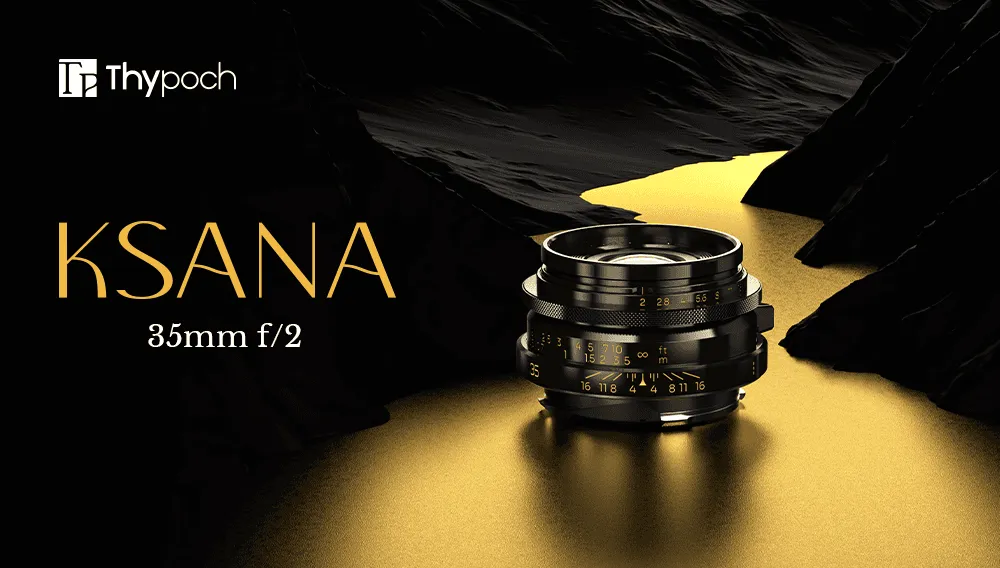
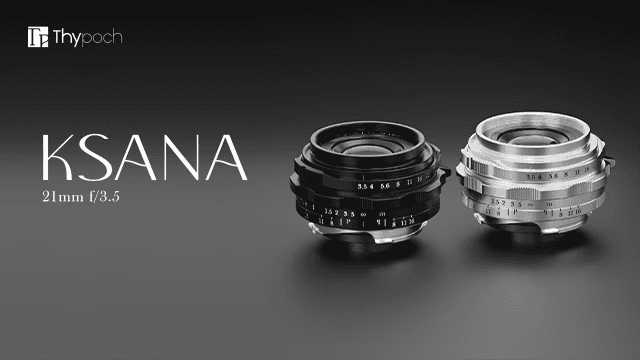
If I had to describe a dream lens from Thypoch, it would honestly be something very close to the Ksana 35mm f/2.
A compact 35mm with a strong focus on rendering, feel, and shooting experience is exactly what I look for. I’ve always gravitated toward lenses that strike a balance between character and control, something that has a distinct look without feeling overly clinical. The 35mm focal length, especially, feels like the most natural fit for how I shoot. It’s versatile, but still intimate enough to tell a story in a single frame. If the Ksana delivers the same kind of thoughtful design and rendering I’ve experienced with their other lenses, it’s already in line with what I’d consider a perfect lens for my work.