4 innovative composition techniques to elevate your photography skills
Knowledge
1. Non-linear Composition
Breaking away from traditional linear composition methods, emphasizing curves and arcs in the image, as well as the asymmetrical arrangement of elements. The advantage of non-linear composition lies in its ability to enhance the dynamism and fluidity of the image, making it suitable for expressing soft, romantic, or abstract themes.
Shooting composition:
-- First, use natural elements such as branches, rivers, and flowers , which can serve as good carriers for non-linear composition. Photographers can use the curves and curvatures of these elements to arrange the components in the image. For example, you can use a tree branch as the foreground while using other subjects as the background, creating a unique atmosphere through non-linear composition.

(Photo taken by @legacy_shooter using Simera 35mm f/1.4)
--Second, use light effects such as halos and light spots to highlight elements in the image, enhancing its dynamism. For example, when photographing people, you can use soft lighting to create a gentle non-linear effect, or use a flash to enhance the rhythm and dynamism of the image.
--Third, create elements that can form interesting non-linear compositions.
For example, when photographing urban landscapes, you can use a slow shutter speed to capture the trajectories of crowds and traffic, as well as the contours and shadows of buildings, creating unique non-linear compositions.
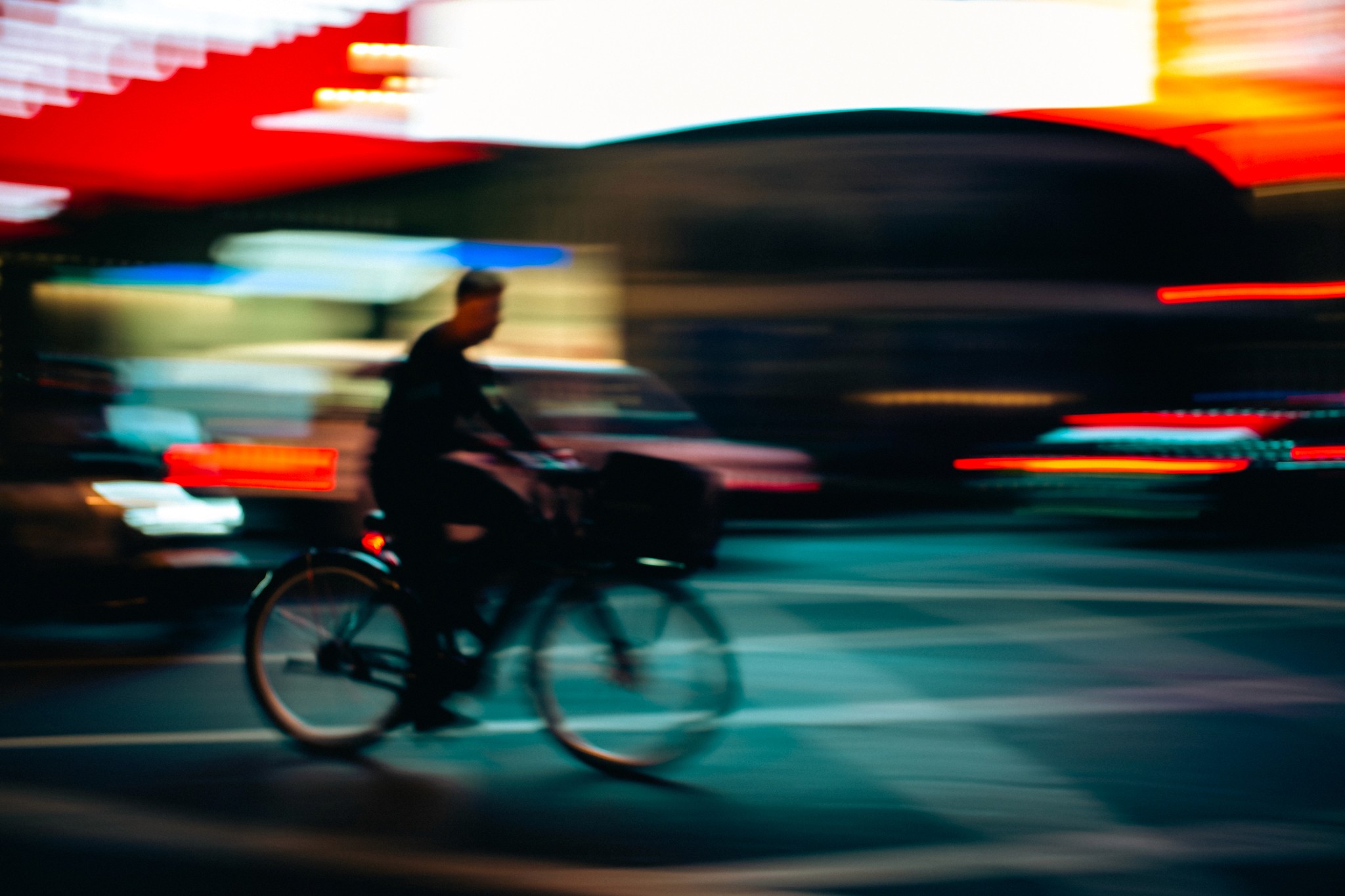
(Photo taken by @jackamunsch using Simera 35mm f/1.4)
2. Multi-perspective Composition
Using multiple perspectives and viewpoints within a single photo to express themes and emotions.
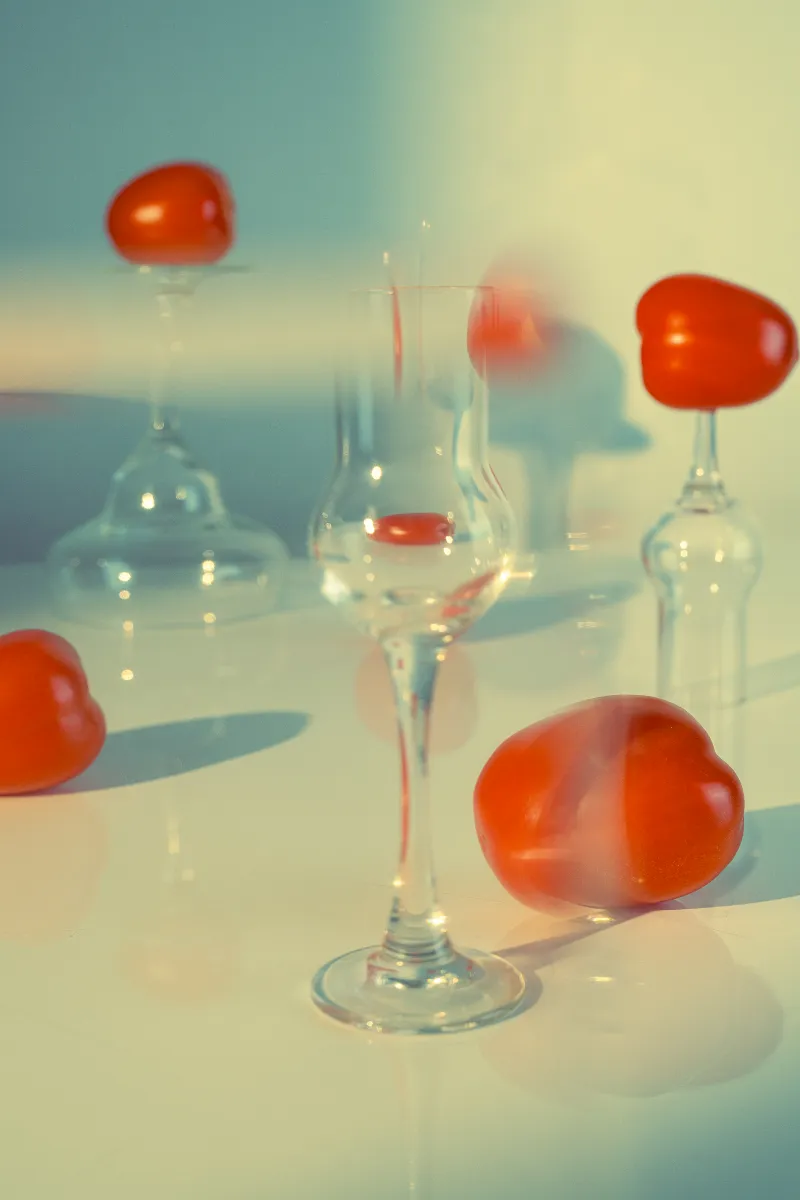
(Photo taken by @delfinacarmona using Eureka 50mm f/2)
Shooting composition:
--First, change the perspective.
Photographers can continuously change perspectives and viewpoints to achieve different psychological effects. For example, shooting from a low angle, looking down from a height, or shooting from the side.
--Second, collage images.
Photographers can combine different elements of the scene together to create a multi-perspective effect. For example, you can combine scenes from different angles, or combine images of different scenes, etc. These collaged images can create visual contrasts and conflicts, enhancing the expressiveness of the image.
--Third, use reflective surfaces.
Reflective objects can create multiple perspectives and viewpoints within the frame. For instance, when photographing a portrait, you can place a mirror in the background to reflect the person's image and the surrounding environment, thereby creating a multi-perspective effect that makes the image more narrative.
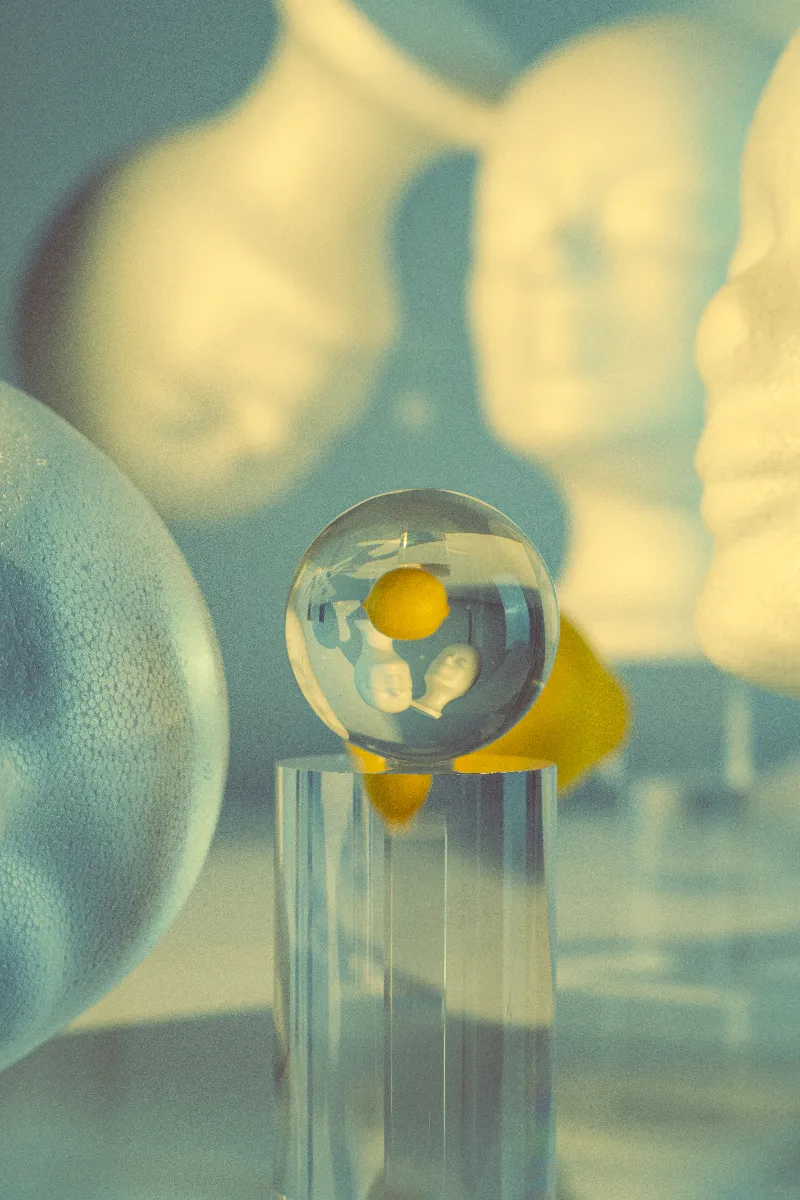
(Photo taken by @delfinacarmona using Eureka 50mm f/2)
3. Depth Visual Composition
Emphasizing depth perception and utilizing various means to enhance the three-dimensional effect of the image.
Photography techniques:
--First, control the depth of field.
For example, use a large aperture to create a shallow depth of field effect, or use a telephoto lens to create a shallow depth of field effect as well. Different depth of field effects can highlight different elements within the image, enhancing its depth and three-dimensionality.
--Second, control the direction and intensity of light, utilizing light and shadow effects.
For instance, using side lighting, backlighting, etc., to highlight the contours and shadows of objects, thus creating depth visual effects.
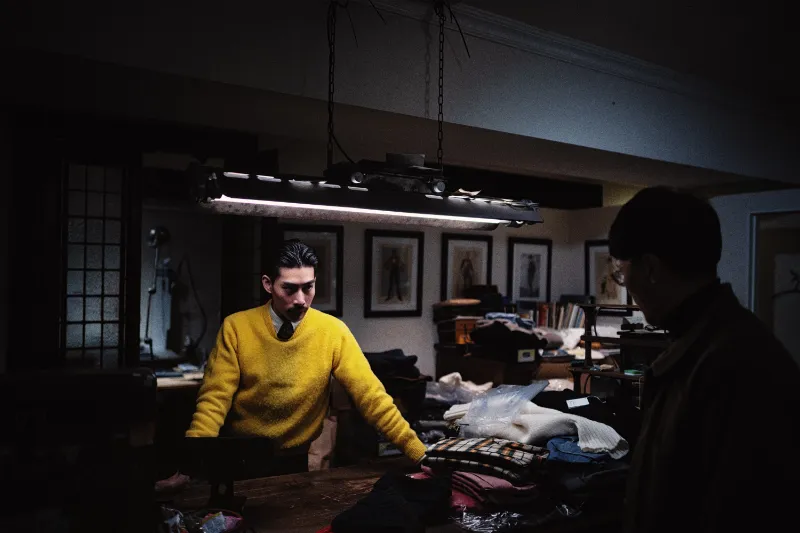
(Photo taken by @ulysses_aoki using Simera 28mm f/1.4 lens)
--Third, use perspective elements to create a sense of depth.
For example, using converging lines, diagonal lines, and space to highlight the depth and three-dimensionality of the image.
4. Color and Emotion Mixed Composition
Emphasizing the combination of color and emotional expression in the image, using color to convey emotions and set the atmosphere.
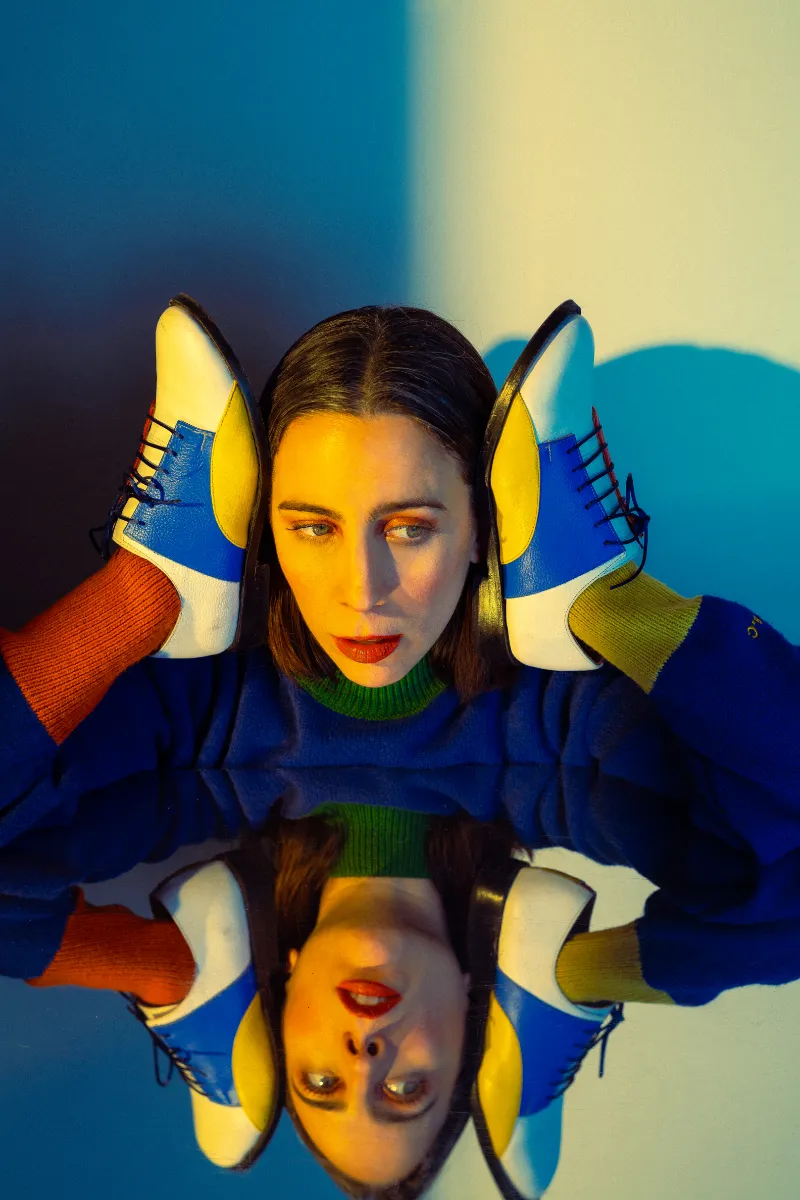
(Photo taken by @delfinacarmona using Eureka 50mm f/2)
Shooting composition:
--First, choose emotional colors.
For example, red can express emotions such as passion, vitality, or danger; blue can express calmness or sadness. Photographers can choose colors that match the theme and emotions.
--Second, control color contrast.
By controlling parameters such as color contrast and saturation, photographers can create different color effects. For example: using high-contrast colors to enhance the contrast and expressiveness of the image; using low-saturation colors to create a gentle and natural effect, etc.
When observing excellent photography works, you will find that no single composition principle or method is independent and exclusive. They can be blended into a single image.
We hope these new composition ideas can provide you with fresh creative inspiration.
To learn more about Thypoch lenses, please click here .