Post-production considerations for shooting footage with Ronin 4D
Knowledge
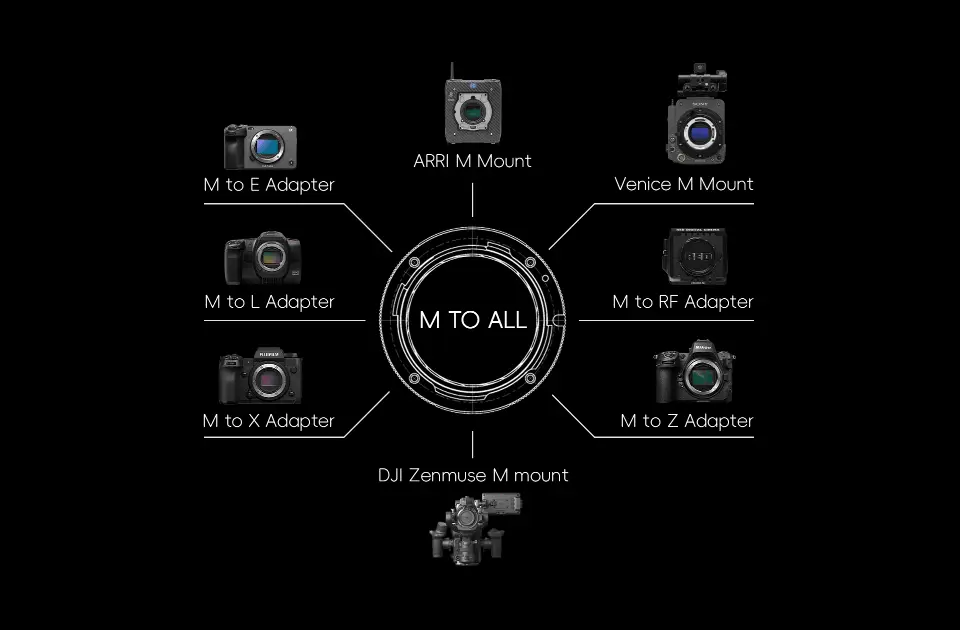
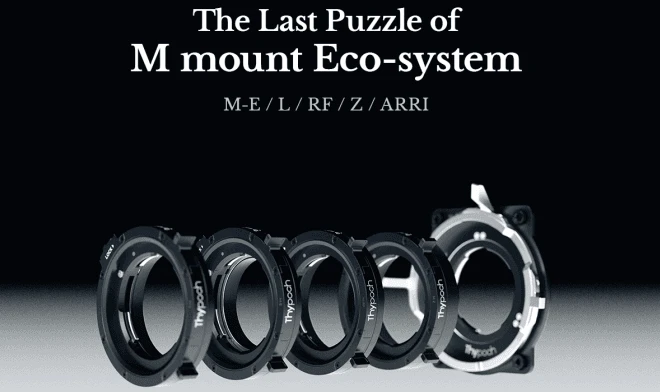
Thypoch is dedicated to creating cutting-edge camera solutions for photographers and filmmakers. DJI Ronin 4D E Mount lens, one of our latest acquisitions, is a perfect example of our commitment to excellence and functionality. As we delve into post-production, understanding how to efficiently handle material shot using Ronin 4D compatible lenses across different systems is crucial. This article explores important considerations that can enhance your project's final output.
Unique Features of Ronin 4D Lenses
Using the DJI Ronin 4D E Mount lens offers unique advantages but also brings specific post-production requirements. This E Mount cine lens can produce high-resolution images with excellent detail and vivid colors. To maximize the quality of this footage during editing, filmmakers should consider file formats and resolution. We recommend shooting with the highest quality settings possible, such as ProRes or RAW, to ensure all details captured by the Ronin 4D lens are preserved. Correctly understanding these technical specifications allows editors to maintain visual integrity throughout the post-production process.
Color Grading to Enhance Visual Impact
An important advantage of using Ronin 4D lenses is their ability to capture rich color data, which can be utilized during color grading. We believe that thoughtful color grading can elevate your project to new heights by highlighting the visual narrative. When handling footage shot with the DJI Ronin 4D E Mount lens, leveraging the lens's characteristics is crucial. Experimenting with LUTs and correction tools can help achieve the desired mood and tone. In addition, combining the lens with appropriate lighting setups during shooting can simplify the grading process, thereby reducing post-production time.
Stabilization and Editing Techniques
Although stabilizers like Ronin 4D offer advanced stabilization, additional stabilization in post-production may still be necessary. Using software stabilization tools can help eliminate any residual shake, ensuring the final product is flawless. We recommend using high-quality editing software that is compatible with Ronin 4D lenses and aligns with your workflow. This approach not only showcases the unique features of this E Mount cine lens but also gives your work a professional-level finish.
Conclusion
Using the DJI Ronin 4D E Mount lens provides filmmakers with superior visuals, but understanding post-production issues is equally important. At Thypoch, we value the use of high-quality film, color grading, and stabilization processes. By keeping these factors in mind, filmmakers can unleash the potential of the Ronin 4D lenses compatible with their equipment, producing a final product that amazes audiences. With time and effort invested in post-production, the project's value is sure to increase, showcasing the incredible possibilities of the Ronin 4D E Mount lens.